The Brisbane Climate vs Concrete: What Property Owners Need To Know
Concrete holds up well across Queensland, but Brisbane’s weather tests it more than many people realise. Heat, summer storms and humidity place steady pressure on driveways, garage floors and outdoor paths.
Property owners who manage concreting in Brisbane often notice shifting colours, surface wear or cracking that arrives far earlier than expected. These patterns rarely come from product faults. They can usually be traced back to the climate and the way concrete reacts to it. Once people understand those triggers, they gain far more control over how long their slabs stay strong and sharp.
Heat, Moisture & Daily Swings That Challenge Concrete
Brisbane’s climate rarely sits still. Concrete expands during hot stretches, then contracts when the evenings cool down. This daily cycle leads to hairline cracking, movement around joints or minor lifting at the slab’s edges. Heat also speeds up evaporation while concrete cures, giving the surface a patchy appearance if installers don’t manage it carefully.
Moisture brings its own issues. Humid days push water into the surface, then trap it under coatings if owners apply those coatings too quickly. That trapped moisture creates cloudy patches or small blisters. Driveways and paths also hold heat far longer than people expect. Stored heat spreads through the slab at night, slowing the cooling cycle and placing extra stress on the structure.
These are normal climate effects rather than failures. Owners who track them early gain a longer-lasting slab without having to face constant repair work.
How Sun Exposure Influences Wear & Colour
Homes positioned on open blocks see far more UV exposure than shaded properties. UV light gradually fades pigments in coloured concrete and reduces the crisp finish on older slabs. Large driveways or pop-out steps fade at different rates because each area receives a different angle of sunlight.
UV also interacts with the surface temperature. A darker driveway hits a much higher temperature than a lightly coloured one. Hotter concrete produces faster expansion around joints and encourages micro-cracking inside the slab. Those fine cracks don’t show up straight away, but can widen during storm season.
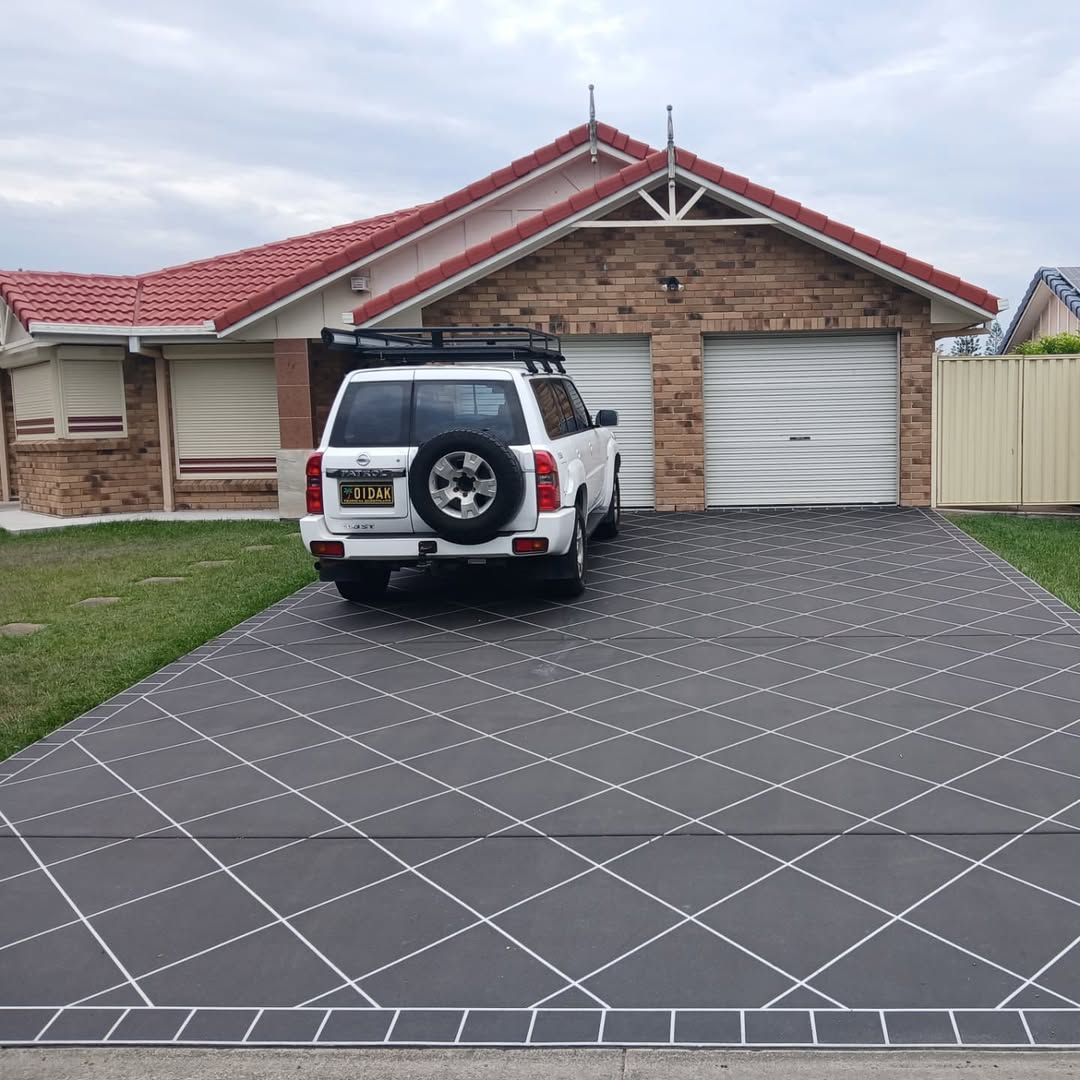
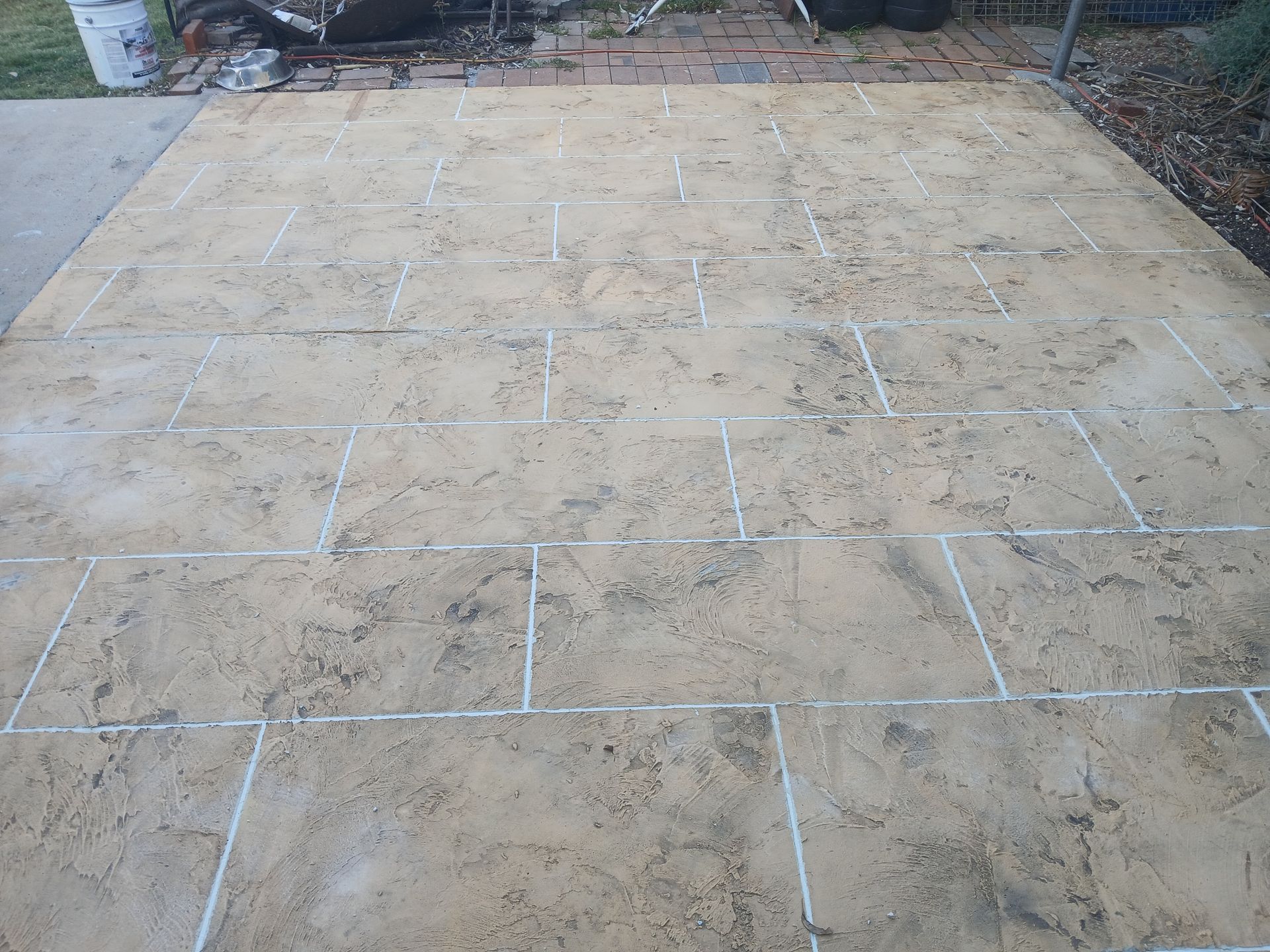
Owners who want modern driveway finishes often choose resurfacing that cope well with Queensland heat. Textured finishes, lighter colours and well-prepared coatings hold up longer and reflect more heat throughout the day.
Storm Season & the Impact of Heavy Rain
Storms drop sudden, intense rainfall across Brisbane. Water rushes across driveways, paths, and patios, carrying dust, debris and fine sand with it. That constant washing creates slips on older slabs and opens narrow channels in weak spots. When stormwater sits beside edging or garden borders, it works into the slab’s base and weakens the support below.
Lightning carries little direct impact on concrete, though it often precedes heavy rainfall and fast temperature changes. Those shifts create thermal shock. Concrete expands during a hot afternoon, then contracts within minutes once a storm rolls through. Sudden cooling increases tension and can open cracks that were previously sealed.
Fast drainage, smart edging and well-chosen repair techniques help owners avoid bigger structural issues. This is where concrete repairs in Brisbane become important, as local trades understand how saturated soil behaves during summer storms.
Why Ground Movement Affects Brisbane Properties
Many areas across Brisbane sit on reactive clay. Clay soils swell during wet periods and then shrink during dry spells. When the ground moves, slabs move. Minor movement doesn’t threaten a property but does cause cracking or surface separation along footpaths and driveways.
Garage floors show this movement in the form of corner lifting or small dips near the door. Patios attached to the home shift differently from detached paths, so each slab responds in its own way. Without proper joints or support, the movement accelerates damage.
Owners who see early warning signs often choose concrete resurfacing in Brisbane to strengthen the top level and renew the design without replacing the entire slab. Resurfacing sits under renewed coatings or textures and provides extra resistance to moisture, traffic and movement.
Traffic, Use & Wear across Residential & Commercial Sites
Climate plays a major role in concrete wear, but everyday use adds just as much strain. Large utes, work vans and heavy equipment press into driveways during hot conditions, pushing the surface down while the slab sits at peak softness. Commercial sites take more punishment because forklifts, pallet jacks and carts roll across the same zones every day.
Outdoor entertainment spaces show a different pattern. Chairs scrape concrete, pets run across it and outdoor cooking spills leave small stains that turn stubborn in the heat. Once stains bond to an unsealed slab, they become almost impossible to lift without grinding.
Owners who want long-term durability often turn to epoxy flooring or resurfacing systems because those coatings resist stains and last longer under continuous load. The climate alone doesn’t ruin concrete. Climate and traffic combined test it far more.
Steps Owners Can Take to Reduce Weather-Related Damage
Property owners across Brisbane can manage most climate challenges with straightforward upkeep. Regular cleaning stops grime from settling into the surface during hot weeks. Quick action after a spill prevents stubborn marks from forming. Light sealing adds another layer of guard against UV and moisture.
Good drainage makes a marked difference during storm season. A driveway with a natural fall moves water away from the home and stops pooling around the slab’s edges. Raised garden borders and clear pathways support that flow.
Owners also do well to track minor cracks before they widen. Once cracks open, water moves into them. When that water heats up or cools quickly, it expands or contracts within the slab, widening the crack. Early concrete repairs in Brisbane stop that widening from happening.
When resurfacing becomes the best choice, concreters apply flexible coatings that adapt to Brisbane’s shifting conditions more effectively than bare concrete. These coatings bond tightly with the slab, refreshing the design and resisting UV for longer periods.
Choosing the Right Finish for Brisbane Conditions
Brisbane’s weather calls for finishes that stay cool, repel water and hold colour. Lighter shades often suit driveways that sit in full sun. Textured coatings give patios a cooler underfoot feel during the hotter months. Epoxy suits garage floors because it shields them from heat, stains and tyre marks.
Flake systems offer strong decorative options that hide small marks far better than plain concrete. Single-colour finishes create a sleek industrial look that works well in both homes and commercial sites. The best finish always depends on the property layout, shade, traffic and the owner’s daily habits.
Property owners who understand Brisbane’s weather gain a real advantage. They protect their investment, reduce long-term repair costs and get the best life from their concrete.
When it’s time to refresh a slab or strengthen a driveway, Troy’s Concrete Overlays brings plenty of experience across Brisbane, and helps owners choose finishes that stand up to heat, storms and busy daily use. For guidance with concreting in Brisbane, give us a call on 0404 914 209.